
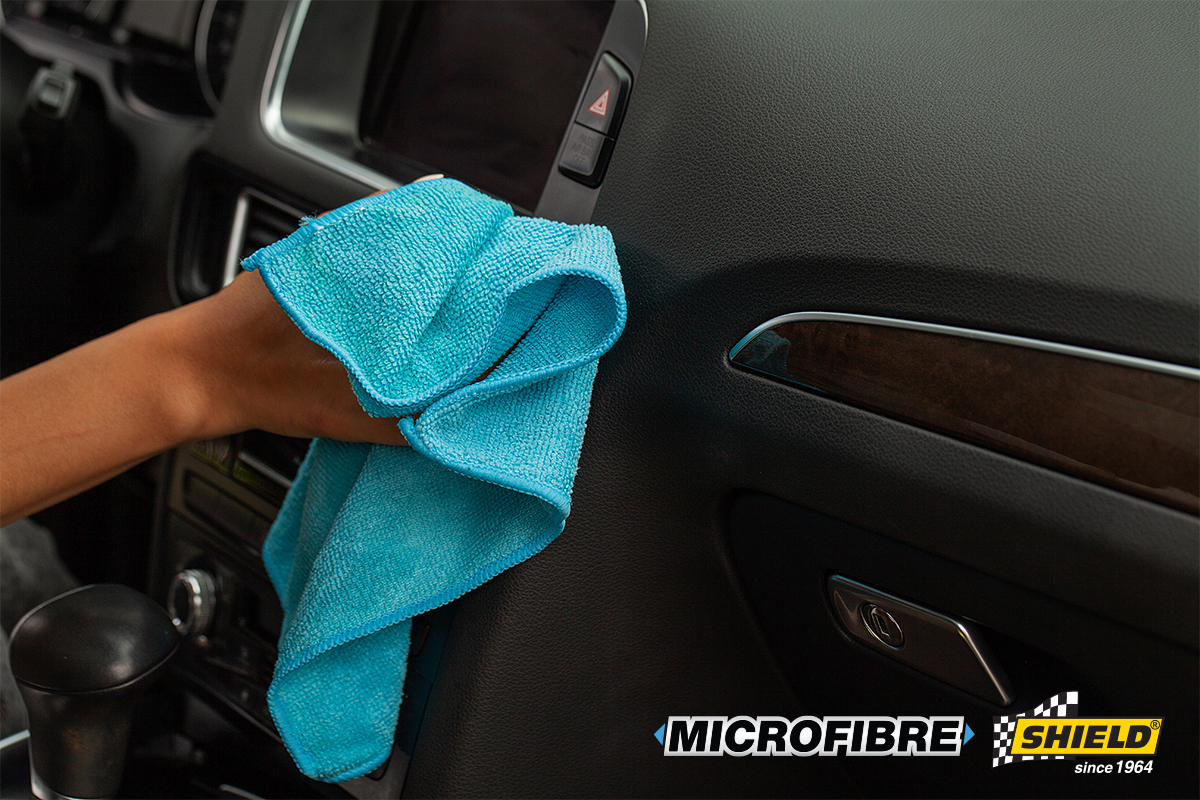
Microfibre has become one of the most widely used materials in modern cleaning. From automotive detailing to household cleaning, microfibre cloths are known for their ability to deliver exceptional cleaning results with minimal effort.
In car care and automotive detailing, microfibre cloths are especially valued for their ability to clean surfaces safely without causing scratches or streaks.
But what exactly is microfibre, and why does it perform so much better than traditional cleaning cloths?
Understanding Microfibre
Microfibre is a synthetic material made primarily from polyester and polyamide. The fibres used in microfibre cloths are incredibly fine — far thinner than those used in standard fabrics.
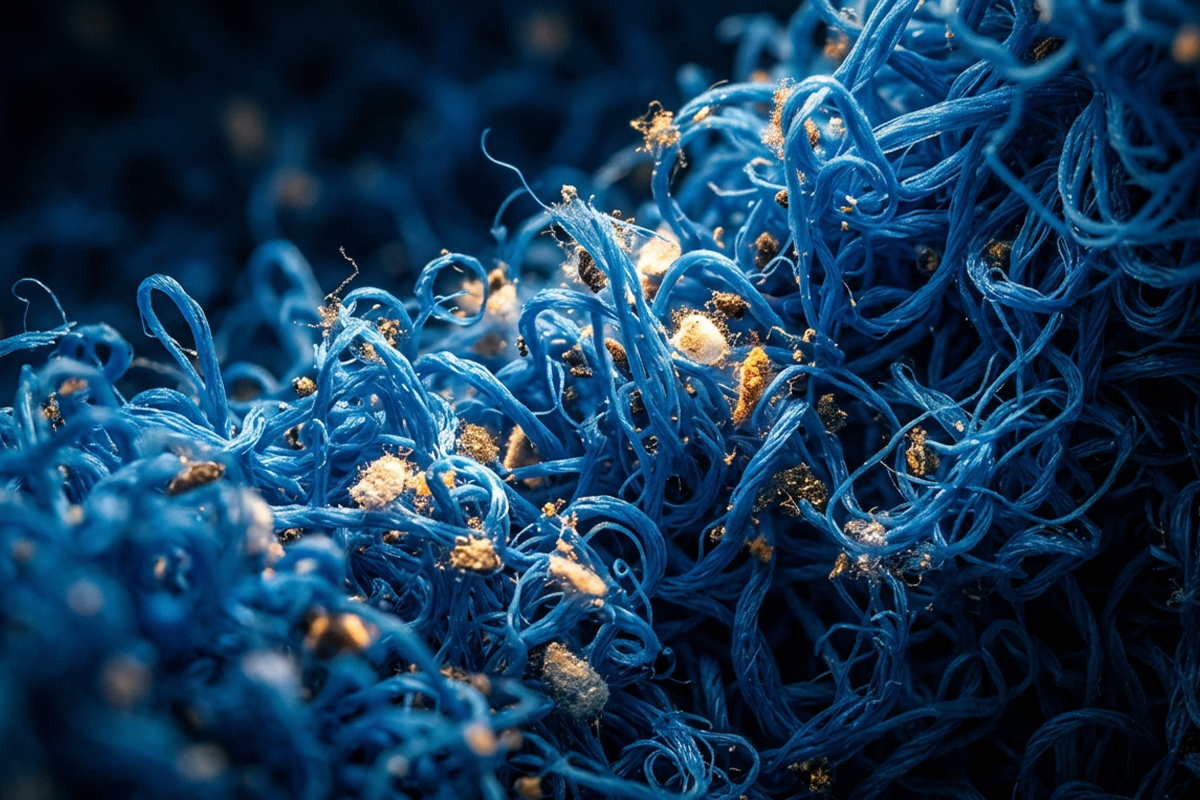
During manufacturing, these fibres are split into thousands of microscopic strands. The result is a cloth with millions of tiny fibres capable of capturing dirt and liquid extremely effectively.
This ultra-fine fibre structure is what gives microfibre its superior cleaning performance compared to traditional cloths.
How Microfibre Cleans
Fibre Splitting
Each fibre is split into many smaller strands, creating sharp edges that lift and trap dirt particles.
Increased Surface Area
The large number of fibres dramatically increases the cloth’s surface area, allowing it to pick up more dirt and moisture.
Static Attraction
Microfibre generates static electricity that attracts dust and fine particles.
These three properties work together to make microfibre one of the most effective cleaning materials available.
Microfibre vs Traditional Cleaning Cloths
Traditional cloths such as cotton rags or paper towels tend to move dirt around rather than capturing it.
Microfibre cloths behave differently.
Key differences include:
| Feature | Microfibre | Traditional Cloth |
| Dirt trapping | Excellent | Limited |
| Absorbency | Very high | Moderate |
| Lint production | None | Common |
| Surface safety | Scratch-resistant | Can scratch |
These performance differences explain why microfibre cloths are widely used in automotive detailing, cleaning, and other precision industries.
Why Microfibre Is Ideal for Car Cleaning
Vehicle surfaces are sensitive and require careful cleaning.
Microfibre cloths help reduce the risk of:
- swirl marks in paint
- lint on glass
- streaks on windows
- scratches on plastic trim
- smearing of wax or polish during buffing
Because microfibre captures dirt instead of dragging it across surfaces, it helps protect vehicle finishes while cleaning more effectively. Its soft, plush fibres also help spread wax evenly and lift excess polish residue, making it ideal for buffing paint to a smooth, glossy finish.
More Than Just a Cloth
Many people think of microfibre as simply a cleaning cloth, but in reality it is a highly engineered cleaning tool designed to outperform traditional fabrics.
Whether used for car care, detailing, or general cleaning, microfibre cloths offer a more efficient and surface-safe solution.
When used correctly, microfibre can significantly improve cleaning performance while reducing the need for harsh chemicals.
FAQ: Microfibre and Car Cleaning
Microfibre is made from a blend of polyester and polyamide fibres, engineered to be extremely fine and highly effective at trapping dirt and moisture.
Microfibre cleans better because its split fibres trap dirt within the cloth, while cotton tends to push dirt across surfaces, which can cause streaks or scratches.
Yes, high-quality microfibre cloths are soft and non-abrasive, making them safe for use on car paint, glass, and interior surfaces.
Yes, microfibre can often clean effectively using only water, as its fibres are designed to lift and trap dirt without the need for harsh cleaning products.
Microfibre has a much finer fibre structure, higher absorbency, and better dirt-trapping ability compared to traditional cloths, making it more effective for cleaning.
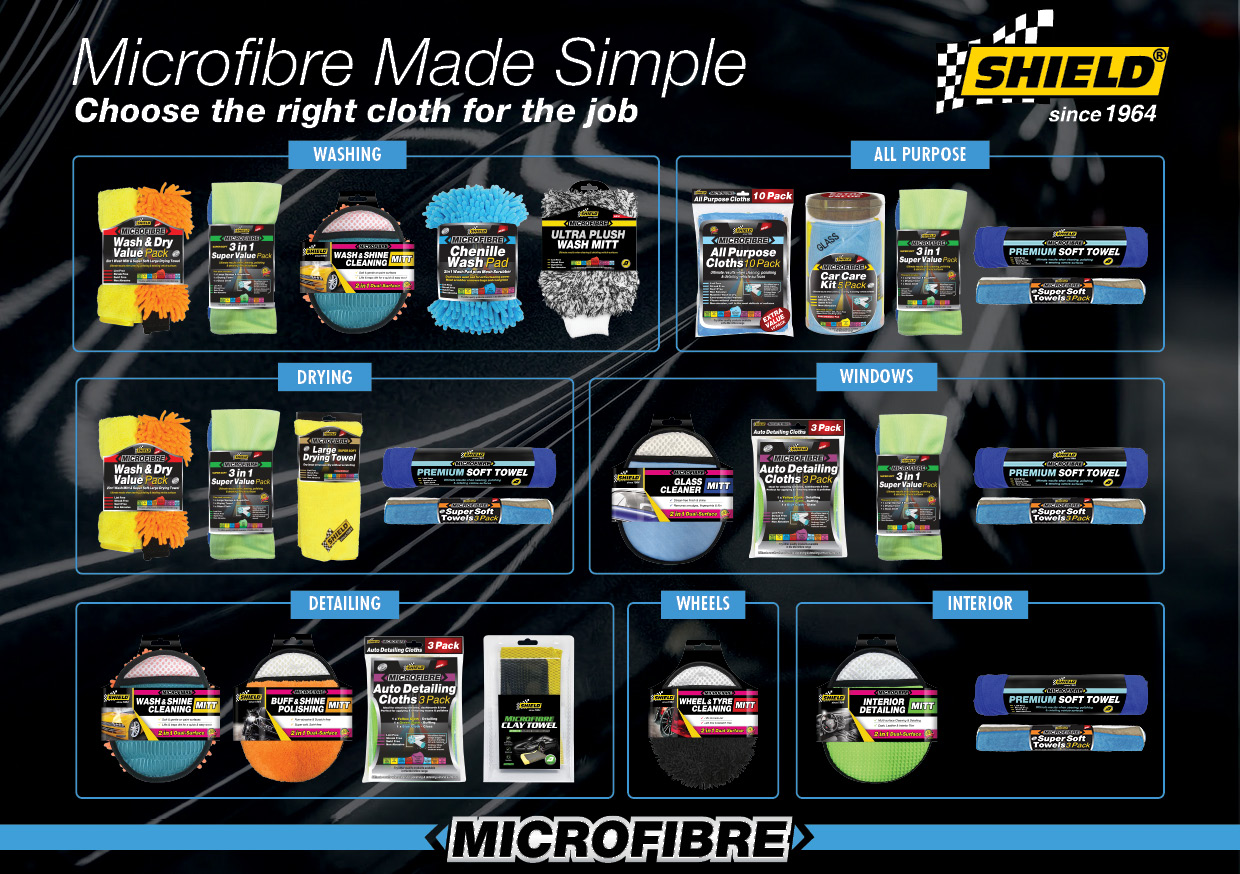
Explore Shield Chemicals Car Care Accessories
Browse our range of microfibre cloths and automotive cleaning accessories:
https://www.shopshield.co.za/collections/accessories-1